Aircrew Parachute Harness/Pack – Vulcan & Victor Crew Seats: Military Aviation Safety Equipment
Aircrew Parachute Harness/Pack – Vulcan & Victor Crew Seats: Military Aviation Safety Equipment
Blog Article
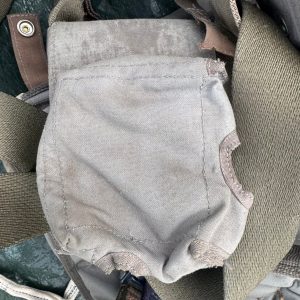
The Aircrew Parachute Harness/Pack – Vulcan & Victor Crew Seats offers collectors, restoration specialists, museums, aviation historians, and qualified equipment professionals a distinctive example of military flight safety equipment.
An Aviation Parachute Harness and Pilot Parachute Harness should be identified through labels, part numbers, manufacturing records, and configuration-specific information.
An Aircraft Emergency Parachute Harness, Aircrew Safety Harness, Flight Crew Parachute Harness, Emergency Parachute Harness, and Military Aircrew Harness all describe safety-related equipment intended to secure aircrew within compatible parachute or escape systems.
Whether described as an Aviation Emergency Escape Harness, Parachute Harness Assembly, Aircraft Crew Safety Equipment, Aircrew Emergency Equipment, or Pilot Emergency Parachute System, the item should be evaluated within its complete original configuration.
Aircraft Parachute Equipment offers the strongest value when condition, origin, markings, storage history, and intended sale status are disclosed transparently.
Exploring the Aircrew Harness and Pack Configuration
A visually similar military parachute harness may not belong to the same aircraft, seat, or operating configuration.
Unknown parts should be described honestly instead of assigned an unsupported function.
Inspecting an Aviation Parachute Harness
Webbing can deteriorate read more through age, ultraviolet exposure, chemicals, moisture, abrasion, mildew, heat, repeated loading, and unsuitable storage.
Qualified evaluation is essential before any safety-related classification is assigned to the Aviation Parachute Harness.
Military Aircrew Harness Adjustment
Shoulder, chest, waist, and leg adjustments may influence comfort, movement, load distribution, and secure positioning.
Buckles and adjusters should move without excessive force, binding, corrosion, cracking, deformation, or damage to adjacent webbing.
Aircraft Escape Harness Applications
Its effective function depends on the complete relationship between harness, pack, canopy, seat, releases, attachment points, and crew procedures.
The relationship between each fitting and its surrounding webbing should remain visible for inspection.
Choosing an Aircrew Safety Harness
Military aircrew equipment can vary significantly between aircraft types, crew stations, and service periods.
Webbing should not be folded sharply under heavy weight or compressed against corroded hardware.
Evaluating a Flight Crew Parachute Harness
Detailed condition reporting creates a more credible and commercially useful listing.
Transparent information strengthens trust among buyers of Flight Crew Parachute Harness equipment.
Emergency Parachute Harness Inspection
Every strap should be followed from end to end while checking webbing, stitching, folds, attachment areas, fittings, and labels.
Signs of deterioration can include fading, stiffness, powdering fibers, frayed edges, stains, mildew, chemical odor, burned areas, torn stitching, corrosion transfer, and damaged labels.
Vulcan and Victor Aircrew Equipment
The combination of aircraft association, markings, configuration, condition, and documentation can influence historical and commercial value.
The equipment should be mounted through reversible methods that avoid cutting, drilling, gluing, or permanently altering original material.
Understanding an Aviation Emergency Escape Harness
Seat design, parachute pack, harness connections, release mechanisms, crew procedures, aircraft configuration, and survival equipment may all interact.
Incorrect assembly for display can damage components or create a misleading configuration.
Harness and Pack Configuration
A pack exterior does not prove that a canopy, pilot chute, deployment components, or internal equipment remain present.
Loose components should be photographed, labeled, and packaged separately so they are not lost or mistaken for unrelated hardware.
Aircraft Crew Safety Equipment
Transparent classification protects buyers and preserves historical context.
Careful preservation supports the long-term value of Aircraft Crew Safety Equipment.
Military Flight Emergency Gear
A harness/pack associated with Vulcan or Victor crew seats can contribute to research into military cockpit equipment and emergency procedures.
The product listing should identify whether the item is original, restored, repaired, modified, reproduction, mixed-component, or unverified.
Pilot Emergency Parachute System
A previous inspection stamp does not establish current suitability.
Responsible handling protects the Pilot Emergency Parachute System and its provenance.
Choosing an Aviation Safety Harness
Display mounts should support the harness without introducing tension, sharp bends, adhesive contact, or metal-to-fabric abrasion.
Handling can accelerate webbing wear and damage original fittings.
Buying Historic Aircrew Equipment
An operational buyer requires entirely different inspection, certification, and system-compatibility considerations.
Price should reflect the complete evidence rather than aircraft-name keywords alone.
Choosing Aircraft Parachute Equipment
Components should not be combined merely because they connect physically.
Careful matching preserves both the Aircraft Parachute Equipment and crew seat.
Inspecting the Aircrew Parachute Harness/Pack
The buyer should request enough information for a parachute specialist, military aviation historian, conservator, or experienced collector to evaluate the item.
- Resolve identity, provenance, configuration, and package-completeness questions before payment.
- Do not treat clean appearance, original labels, or previous inspection stamps as proof of current operational suitability.
- Inspect and photograph the item immediately after delivery before cleaning, opening, adjusting, mounting, repairing, or separating components.
Long-Term Harness and Pack Care
Acidic cardboard, untreated wood, plasticizers, rubber, chemicals, and damp fabrics should not contact the equipment.
Silica products or humidity-control materials should not contact the harness directly.
Reversible Aircrew Harness Mounting
Adhesives, staples, screws, drilling, cutting, or irreversible sewing should be avoided.
Lighting should be limited to reduce fading and fiber deterioration, while the display case should protect against dust, touch, moisture changes, and accidental impact.
Maintaining Historic Aircrew Parachute Equipment
Polishing corroded hardware may damage plating or stain surrounding webbing.
Organized records support responsible stewardship of Aircrew Emergency Equipment.
Aircrew Parachute Harness Conclusion
The Aircrew Parachute Harness/Pack – Vulcan & Victor Crew Seats may suit museums, military aviation collectors, cockpit restorers, historians, preservation specialists, and buyers seeking authentic aircrew equipment.
Careful technical, historical, and commercial evaluation can reduce authenticity concerns, condition surprises, missing-component costs, and unsuitable-use assumptions.
Whether collectors search for an Aviation Safety Harness, Flight Parachute Harness, or Aircraft Parachute Equipment, historical value should remain separate from operational suitability.
With complete evaluation and continued preservation, the Aircrew Parachute Harness/Pack – Vulcan & Victor Crew Seats can deliver a professional combination of historical significance, restoration potential, collectible appeal, and military aviation heritage.
Report this page